
How to Track Fuel for Uber & Rideshare Tax in Australia (Free Template)
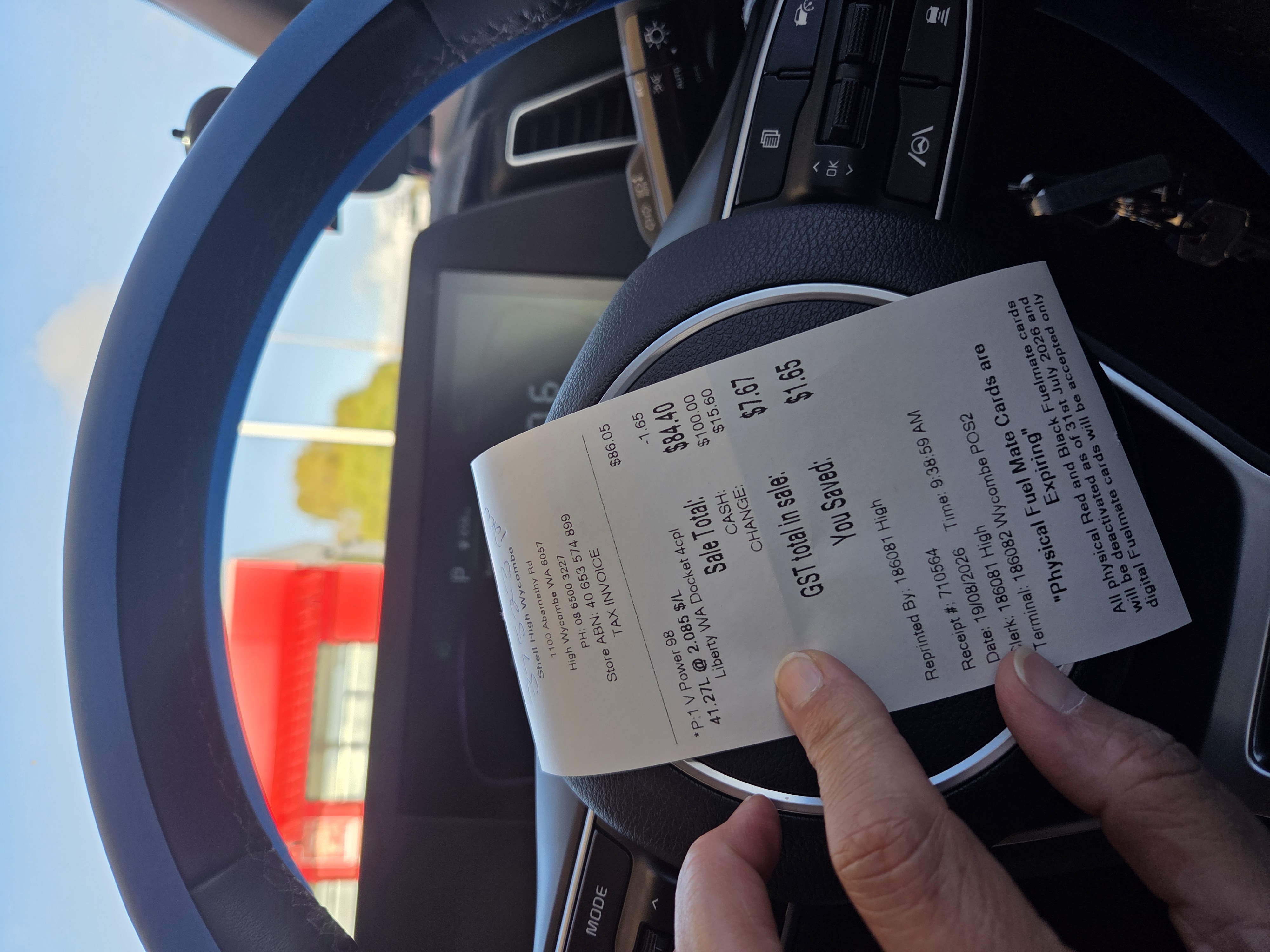
A practical system for keeping fuel, kilometre and trip records organised throughout the year, plus a free Excel fuel tracker for Australian drivers.
If you drive for rideshare or delivery work, fuel is one of the costs you may need to keep organised. The difficult part is rarely the spreadsheet itself — it is capturing the information consistently while you are busy.
This guide shows a straightforward way to keep fuel and kilometre records tidy throughout the year.
Important: This is general record-keeping information only, not tax advice. What you can claim depends on your circumstances and the method you use. Speak with a registered tax agent or accountant for advice specific to you.
Why fuel records matter
Clear records can help you:
- understand your weekly and monthly vehicle running costs
- keep receipts and kilometre information together
- give your accountant or tax agent organised source information
- identify missing or unusual entries while they are still easy to check
- avoid trying to reconstruct months of driving from memory
The ATO says ride-sourcing drivers need records of income and expenses, including platform statements, receipts and relevant logbook or odometer records.
A tax point drivers should not miss
How fuel fits into a tax claim depends on the method being used.
If you use the cents-per-kilometre method, the ATO rate is designed to cover eligible car running costs such as fuel, registration, insurance, maintenance and decline in value. Those costs are not then claimed separately on top of the rate.
If you use the logbook method, eligible actual car expenses can include running costs such as fuel, with the work-related portion calculated using the applicable logbook percentage and supporting records.
That is one reason SUCOHub describes its trackers as record-keeping tools, not tax calculators.
What a useful fuel record can include
For everyday organisation, many drivers find it helpful to capture:
- date of the fill-up
- supplier or location
- odometer or kilometre information
- litres purchased
- price per litre
- total fuel cost
- payment method
- trip, invoice or job notes where useful
Not every field is a legal requirement in every situation. The goal is to keep enough information to understand the entry later and to support the records your accountant or tax method requires.
Common record-keeping mistakes
1. Leaving receipts as the only record
Thermal receipts can fade, tear or disappear. Keeping the key details in a tracker gives you a separate organised record, while the original receipt or electronic evidence should still be retained where required.
2. Losing the kilometre trail
A fuel cost on its own does not show how much the vehicle was used. Consistent odometer or trip records make it easier to spot gaps and understand vehicle use.
3. Mixing work and private use without a system
If the same vehicle is used for both work and personal driving, the records need to make that distinction clear enough for the method you use.
4. Reconstructing everything at tax time
Trying to rebuild months of activity from bank statements and memory is slow and error-prone. Recording information close to the time it happens is much easier.
A simple system you can start today
- Record each fuel purchase promptly. Do it at the pump, at the end of the shift or at another routine point you will actually maintain.
- Use one main record. Avoid scattering the same information between notes, screenshots, paper and multiple apps.
- Do a short weekly review. Check for missing dates, kilometre gaps or incomplete entries.
- Keep supporting evidence organised. A tracker supports your records; it does not replace receipts or other evidence where those are required.
- Ask your tax professional which method applies to you. The right record structure depends on your circumstances.
Try the Free Fuel Tracker
SUCOHub's Free Fuel Tracker Excel Template gives you one place to record fuel purchases, kilometres, trip details and costs. Built-in checks help flag missing information, kilometre mismatches and unusually large trip distances.
It is free to download, with no account or subscription required.
Want the full picture, not just fuel?
The Driver Tax Tracker Pack adds income, expenses, fuel, work kilometres, GST/BAS working records, vehicle depreciation and year-end preparation in one Excel workbook.
It is designed to organise records for review — not to determine your tax outcome.
Official information
For current car-expense rules, see the Australian Taxation Office guidance at ato.gov.au/carexpenses.
SUCOHub provides organisational tools, templates and administrative support. We do not provide tax, accounting, bookkeeping, legal or financial advice.